
Mataram, Thursday, October 9, 2025 – The Faculty of Food Technology and Agroindustry (FATEPA), University of Mataram, held a Studium General titled “Biomass Microfibrillation, Bioseparation, and 3D Food Printing”. The event featured Assoc. Prof. Young Hoon Jung from Kyungpook National University, South Korea, as the main speaker, and was moderated by Hary Kurniawan, S.TP., M.Sc., Ph.D. The session was attended by lecturers and students from the Food Science and Technology Study Program, University of Mataram.
Opening Session
The program began with welcoming remarks from the moderator, Dr. Hary Kurniawan, who expressed appreciation for Prof. Jung’s presence and contribution. He introduced the focus of the Studium General, emphasizing the significance of recent advancements in food technology—particularly innovations in 3D food printing and microfibrillation techniques applied to food and biomaterials.
Main Presentation
In his presentation, Prof. Jung delivered an extensive overview of the current development of biomaterials and food technology innovations in South Korea. He elaborated on four major themes: 3D food printing technology, seaweed-based functional materials, microfibrillation technology, and probiotic research.
Prof. Jung explained that 3D food printing began to gain recognition around 2015, initially in engineering disciplines before expanding into food science. In South Korea, its early uses were found in restaurants for producing personalized or decorative food products. The potential of this technology includes creating soft foods for the elderly, alternative meats with controlled marbling, and personalized nutrition. However, he noted several challenges—such as high production costs, limited raw material availability, and the absence of dedicated food safety regulations.
Discussing seaweed-based functional materials, Prof. Jung highlighted the richness of polysaccharides such as alginate, pectin, and galactomannan, which can be utilized to produce bioplastics and edible films. These compounds offer excellent structural integrity and sustainability potential. He emphasized that combining these materials could yield edible packaging, though improvements in mechanical stability and film strength—especially through microfibrillation—remain key challenges.
On microfibrillation technology, Prof. Jung described the process of breaking down natural cellulose networks into microscopic fibers. These fibers have versatile applications in dietary fiber enrichment, bioplastic packaging, and functional food additives. In Korea, the same technology is also used in cosmetics and automotive industries, with partnerships involving companies like Hyundai and AmorePacific. Despite its high production cost, research efforts continue to optimize processing techniques for cost efficiency.
Turning to probiotic and postbiotic research, Prof. Jung discussed his laboratory’s focus on postbiotics—metabolites produced by probiotics such as exopolysaccharides, extracellular vesicles, and other bioactive compounds that support gut health. He also introduced his team’s work on plant-based yogurt formulations derived from soybeans and corn, emphasizing the importance of maintaining probiotic viability during processing and storage. To address this, his group investigates natural bioresources as protective agents, seeking sustainable alternatives to traditional skim milk additives while improving drying techniques.
Discussion and Q&A Session
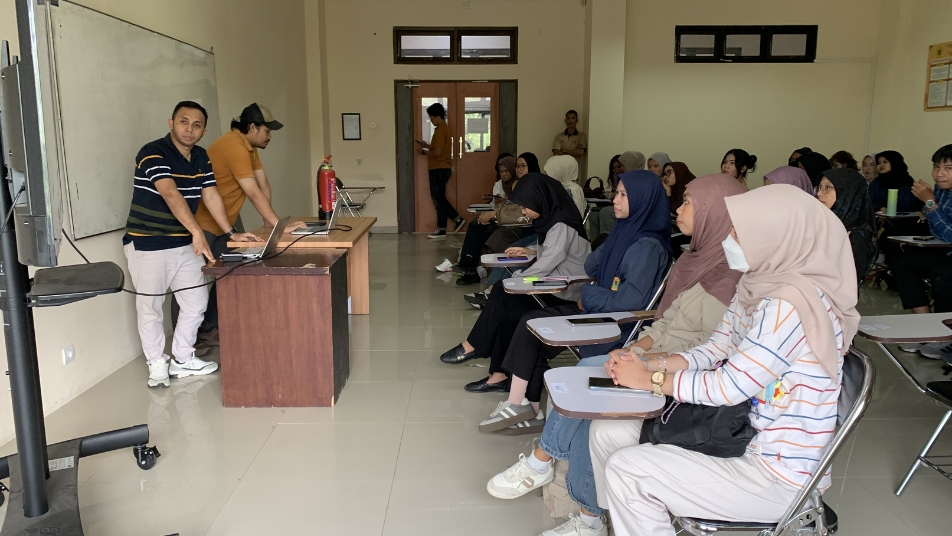
The interactive session saw participants engaging with questions on collaboration opportunities, by-product utilization, and the feasibility of 3D food printing in Indonesia.
Prof. Jung expressed enthusiasm for future research collaborations with the University of Mataram, particularly in edible packaging and biomass utilization. He shared that his laboratory has conducted extensive studies on biomass resources including rice husks, corn cobs, palm residues, and by-products from the alcohol industry.
Addressing the question on practical applications in Indonesia, he encouraged researchers and students to begin with prototype development using locally sourced materials such as seaweed or cocoa, and stressed the importance of integrating education, experimentation, and industry cooperation to strengthen national research capacity.
On the regulatory aspect, Prof. Jung explained that South Korea currently lacks a specific legal framework governing 3D food printers. The technology is regulated under general food safety guidelines related to micro-particle exposure and material safety. He suggested that the adoption of simple yet clear regulatory frameworks would greatly facilitate the industry’s progress while ensuring consumer protection.
Closing
The Studium General concluded with reflections on the immense potential of 3D food printing in shaping the future of food innovation—particularly in personalized nutrition and functional food development. Additionally, seaweed-based materials and microfibrillation technologies were recognized as promising avenues for creating sustainable and eco-friendly food packaging solutions.
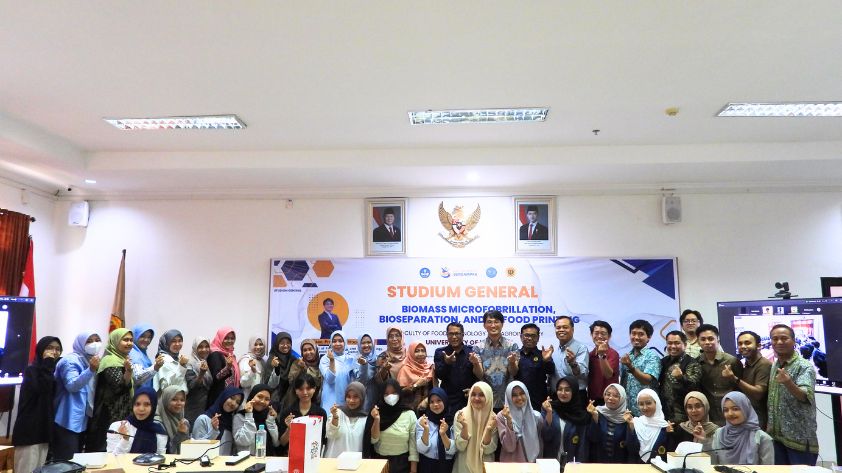
The event underscored the value of international collaboration in advancing research, education, and industrial applications within the food technology sector. The session ended with expressions of gratitude from the moderator and participants, followed by a group photo with the distinguished guest speaker.
Prepared by: Documentation Team, Faculty of Food Technology and Agroindustry, University of Mataram.
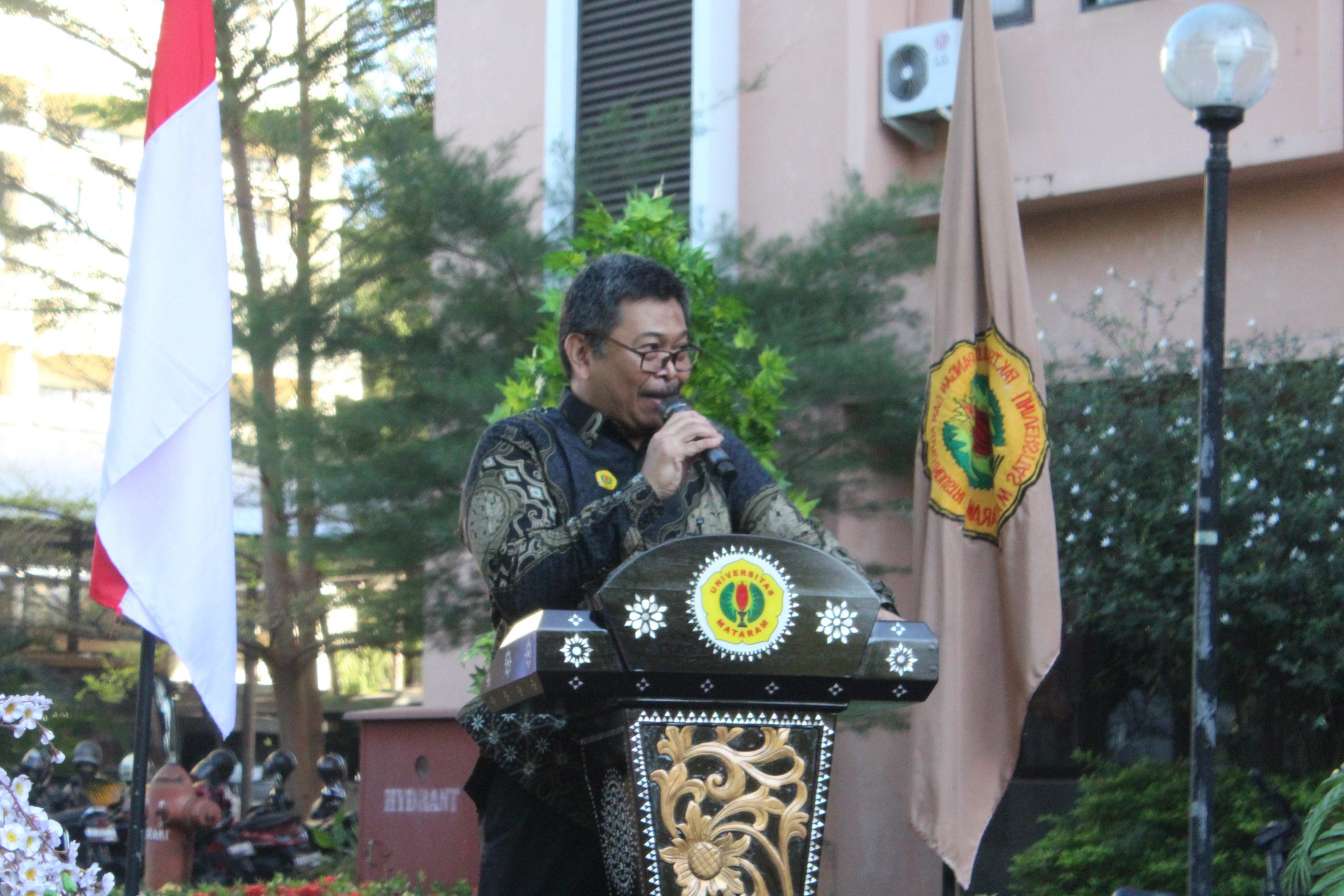
Photo 1. Assoc. Prof. Young Hoon Jung from Kyungpook National University, South Korea, delivers insights during the discussion session of the General Lecture, moderated by Hary Kurniawan, S.TP., M.Sc., Ph.D.

Photo 2. Interactive Q&A session between lecturers and students of the Food Science and Technology Study Program and Assoc. Prof. Young Hoon Jung, discussing opportunities for research collaboration and the future of 3D food printing technology.

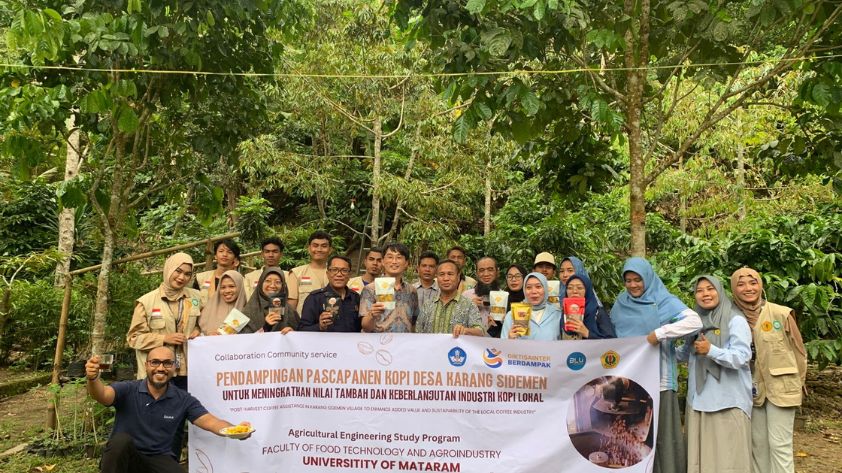
Photo 3. Group photo session with lecturers and students of the Faculty of Food Technology and Agroindustry, University of Mataram, together with Assoc. Prof. Young Hoon Jung from Kyungpook National University, South Korea, after the General Lecture.